Integrations and automation

Make your systems work together

Connect the tools the business already relies on, reduce duplicated effort and move information safely between systems.

Discuss a project

Situations this work usually addresses

  • The same information is typed into more than one system.
  • A booking, enquiry or status change in one tool never reaches the people who need it.
  • Reports are assembled by exporting, copying and reconciling data by hand.
  • A useful platform is isolated from the rest of the operation.

What Deploy can deliver

  • API integrations
  • CRM and booking integrations
  • Automated notifications and follow-up
  • Data synchronisation
  • Import and export workflows
  • Process automation
  • Audit trails and exception handling

How the work is approached

  1. Identify the few transfers that, if they worked reliably, would remove the most repeated work.
  2. Agree what “correct” looks like, including how exceptions are handled when a system is late or incomplete.
  3. Build the connection so it can be monitored, not so it fails silently.
  4. Keep the automation smaller than the problem. Not every step needs a new platform.

Capabilities used where they help

Technologies stay secondary to the outcome. These are typical tools and methods, not a shopping list.

  • REST APIs and webhooks
  • CRM and booking platform connections
  • Scheduled synchronisation
  • Import, export and migration scripts
  • Error handling and audit logs

Related work

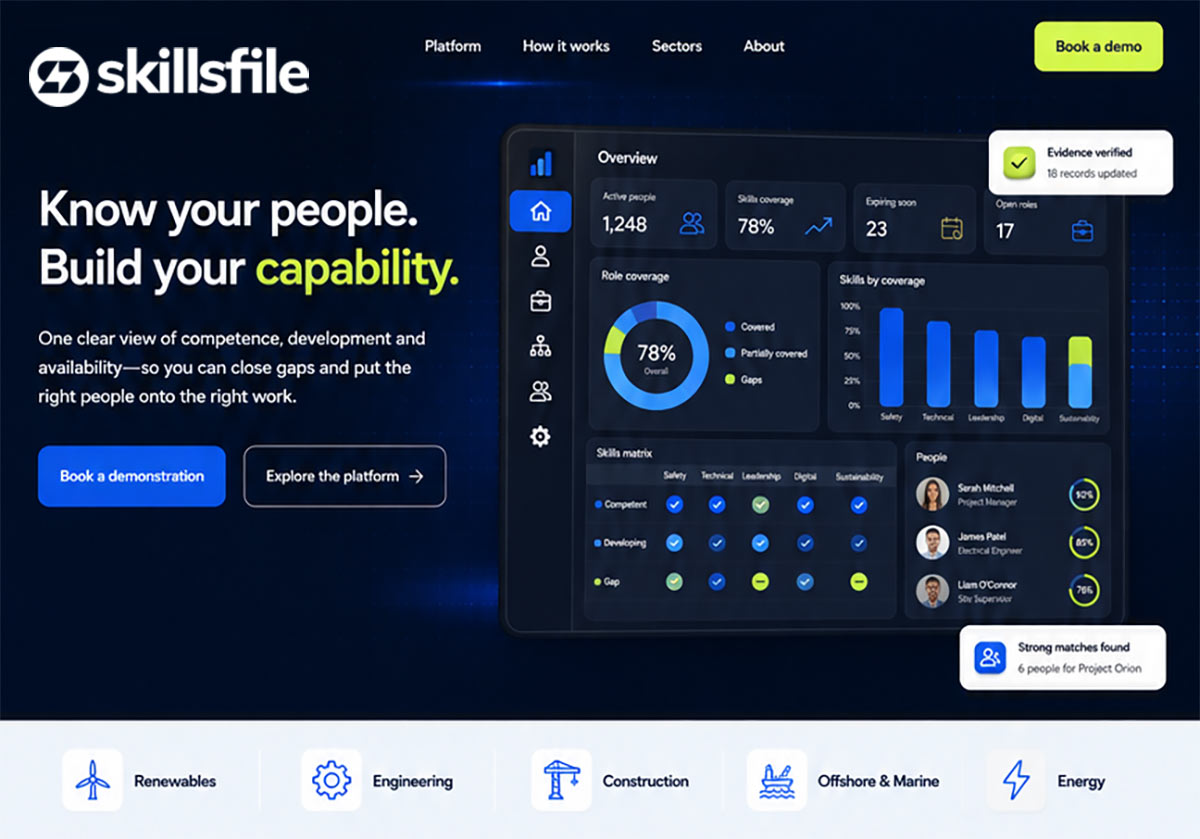
SkillsFile homepage, with the product headline and a competence dashboard.

Workforce

SkillsFile

Candidate records and workforce management for organisations that need a clear view of people and competence.

Bespoke software · Business portals and platforms · Integrations and automation

Read case study
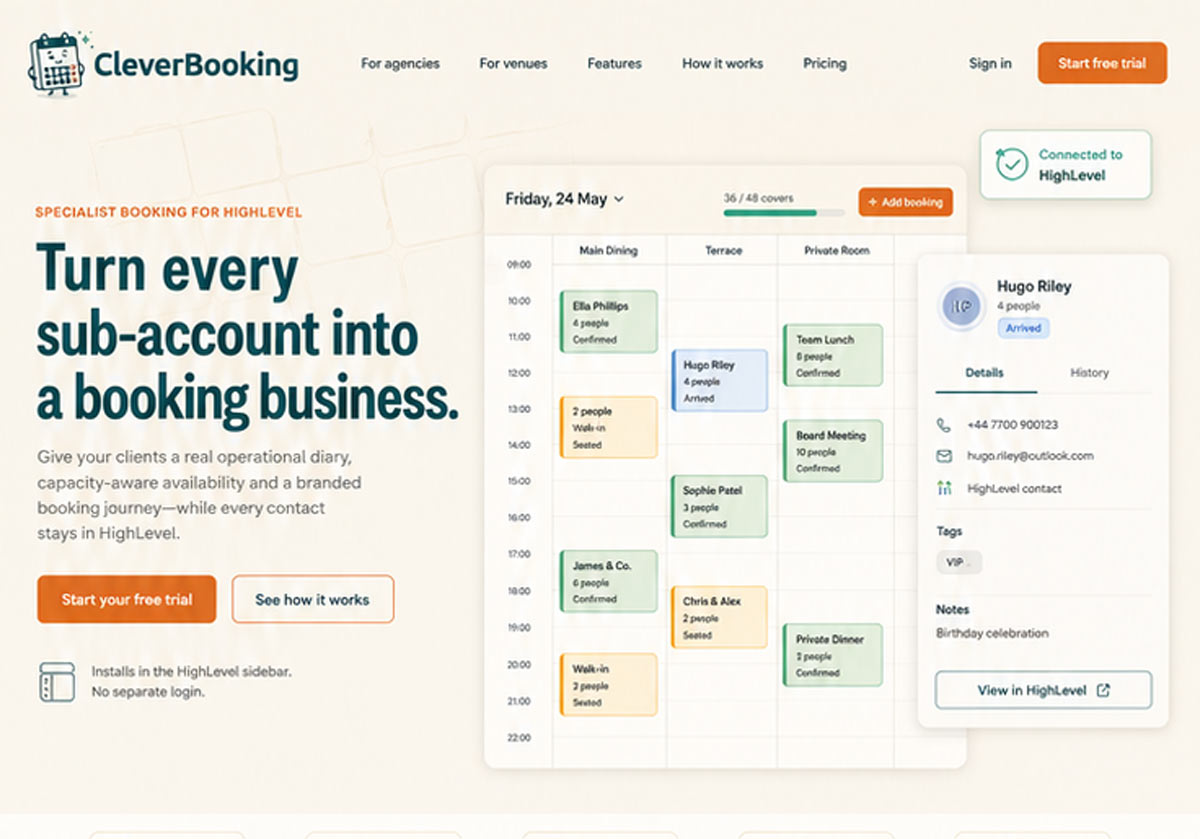
CleverBooking homepage, with a booking diary mockup connected to HighLevel.

Service operations

CleverBooking

Operational booking software integrated with HighLevel for service businesses that need bookings to stay connected to the rest of the operation.

Bespoke software · Integrations and automation · Websites and digital presence

Read case study

Frequently asked questions

Not necessarily. Many organisations get more value by connecting what they already use than by starting again.

We assess that early. The answer may be a supported API, a controlled export, or a narrower integration than first hoped.

Integrations should leave a trail: successes, failures and the cases that need a person. Silent automation is usually a risk.

Yes, and that is often the better start. Automate the transfer or follow-up that causes the most repeated work, and leave judgement and exceptions with a person.

APIs and exports do change. The integration should be written so it can be monitored, updated and supported, rather than treated as a one-off script that nobody owns.

Usually yes. A reliable connection still needs a way to handle mismatches, missing fields and late updates. The aim is fewer routine checks, not a process with no owner.

Have a project, problem or idea to discuss?

Tell us what you are trying to achieve. We will help you identify the most practical next step, whether that is a new platform, an integration, a modernisation project or focused technical support.