Automated systems

Connect systems, remove repeated work and use AI where it helps

Connect the tools the organisation already relies on, take repeated work out of the day, and use AI only where it is reliable enough to help.

Discuss a project

Situations this work usually addresses

  • The same information is typed into more than one system, or copied between a spreadsheet and a live tool.
  • Follow-ups, imports, reconciliations or routine updates still need a person every time.
  • A useful platform is isolated from the rest of the operation, so status never moves on its own.
  • There is interest in AI, but no clear, bounded job for it that a person can still stand behind.

What Deploy can deliver

  • Connections between the tools the organisation already uses
  • Automated follow-ups, imports and routine updates
  • Exception handling when a system is late or incomplete
  • Audit trails so successes and failures are visible
  • Bounded AI for classifying, summarising, drafting or routing
  • Monitoring so silent failure is not the default
  • Small automations that sit alongside current software

How the work is approached

  1. Start with the few transfers or tasks that, if they worked reliably, would remove the most effort.
  2. Agree what “correct” looks like, including how exceptions are handled.
  3. Build automation so it can be monitored. Silent failure is usually worse than a manual step.
  4. Keep the automation smaller than the problem. Not every step needs a new platform, and not every task needs AI.

Capabilities used where they help

Technologies stay secondary to the outcome. These are typical tools and methods, not a shopping list.

  • API, webhook and scheduled connections
  • Process automation with a clear failure trail
  • Practical AI with a person still accountable
  • CRM, booking and operational tool connections
  • Monitoring, alerts and exception handling

Related work

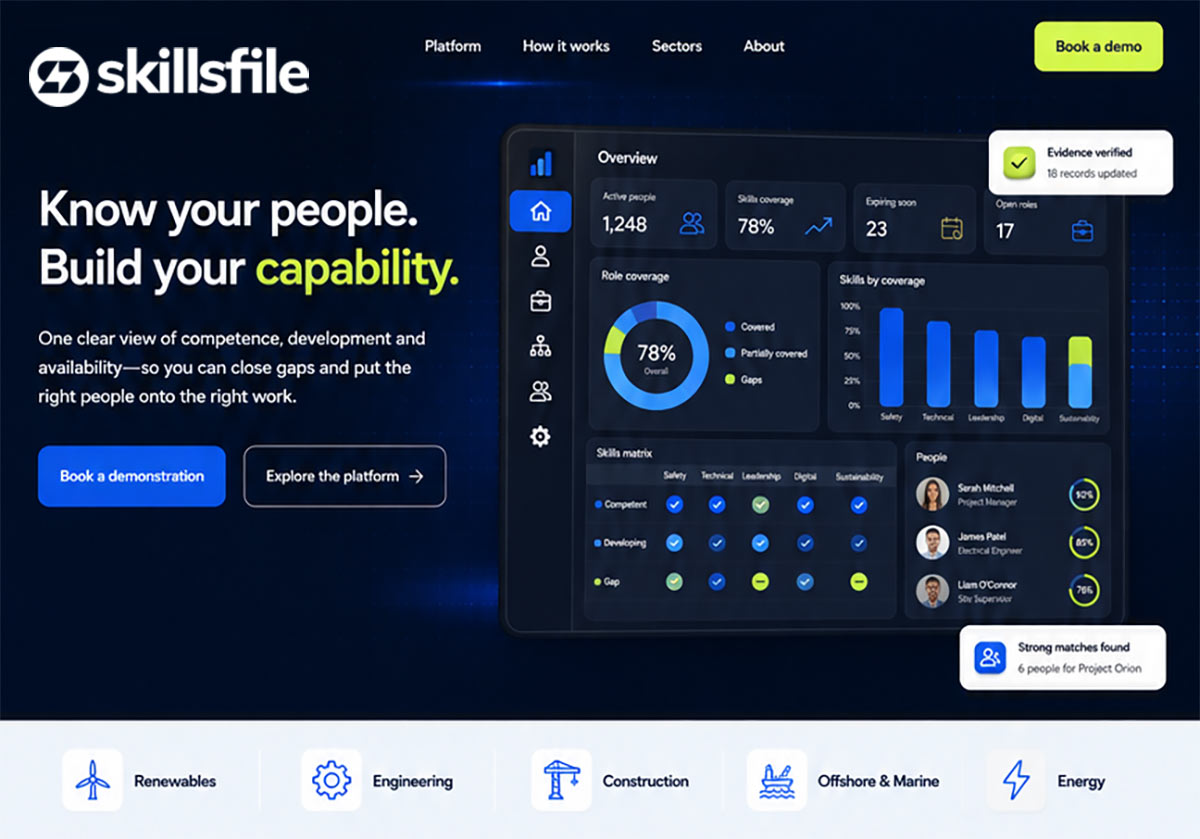
SkillsFile homepage, with the product headline and a competence dashboard.

Workforce

SkillsFile

Candidate records and workforce management for organisations that need a clear view of people and competence.

Bespoke software · Business portals and platforms · Integrations and automation

Read case study
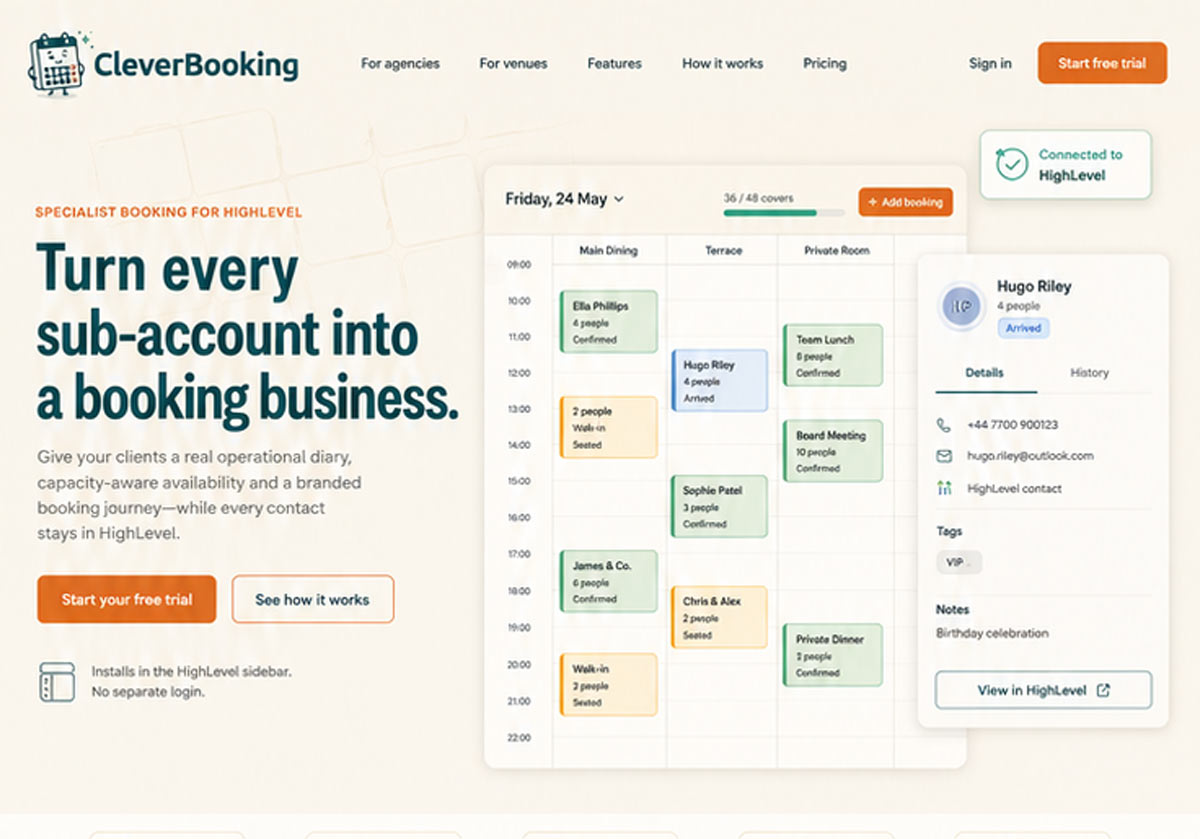
CleverBooking homepage, with a booking diary mockup connected to HighLevel.

Service operations

CleverBooking

Operational booking software integrated with HighLevel for service businesses that need bookings to stay connected to the rest of the operation.

Bespoke software · Integrations and automation · Websites and digital presence

Read case study

Frequently asked questions

Often no. The useful result may be a connection between tools you already use, a small automated workflow, or a carefully bounded use of AI inside a system people already understand.

Where the job is classifying, summarising, drafting or routing, and a person remains responsible for decisions that matter. It is not a generic “AI transformation” programme.

Yes, and that is usually the better start. Automate the transfer or follow-up that causes the most repeated work, then decide what is worth doing next.

It should leave a trail: successes, failures and the cases that need a person. If nobody can see what happened, the automation is a risk rather than a saving.

A connected system will be late, incomplete or changed. The automation needs a way to surface that, rather than failing quietly or inventing a result.

Yes. Keep a person accountable for decisions that matter, and keep a record of what the system did. Automation should reduce routine effort, not remove ownership.

Have a project, problem or idea to discuss?

Tell us what you are trying to achieve. We will help you identify the most practical next step, whether that is a new platform, an integration, a modernisation project or focused technical support.